
Dr. Schneider’s Experience
How this oncologist became a vocal advocate for changing the way we manage immune-related side effects
By Bryan J. Schneider, MD
I’m a medical thoracic oncologist; I treat and conduct research on lung cancer and other cancers that originate in the chest. After I finished my oncology fellowship in 2005, I dove into clinical research.
For the first few years of my career, the clinicial trials I worked on were focused on chemotherapy drugs and targeted therapies – treatments with side effects that were typically predictable. And while I wouldn’t say they were easy to manage, oncologists could usually handle them because they were side effects we were familiar with: nausea, fatigue, drops in blood counts, etc.
As research progressed, we started doing trials with immune checkpoint inhibitors. Strategies to unlock the immune system to treat cancer had been successfully used for melanoma for some time, but these approaches were disappointing for other tumors. Study and after study delivered disappointing results; until finally, we had a breakthrough.
“Wow, It Really Worked”
It was a lung cancer patient in our clinical trial of a combination of an immune checkpoint inhibitor with a newer immunotherapy. At the time, she had already exhausted at least six lines of therapy, and she was declining fairly rapidly. Enrolling her felt like an act of desperation.
And then, several weeks into treatment, before we had gotten scans, she came in for her routine visit, and she looked like a new person – she had put on weight, she wasn’t on oxygen. She looked at me and said, “It’s working. I know it’s working. I’m walking, I’m back at the gym, I am walking up my stairs on my own …” And sure enough, the scan showed that the cancer was just melting away. The immune checkpoint inhibitor was working. I was stunned. I remember stepping out of the exam room and thinking to myself, “Wow, it worked. It really worked.”
Once we finally saw success treating cancers other than melanoma with immunotherapy, the whole research community and oncologists in practice wanted these medications available as quickly as possible to give patients a realistic chance of long-term remission. In lung cancer, where we had always measured prognoses in months, suddenly, we were talking in terms of years, potentially. So, this was a huge game changer.
But, there’s there’s no free lunch with any of these treatments. And the downside is that there are very unique, unpredictable, and potentially life-threatening side effects that I think in the early days we didn’t anticipate and didn’t fully know to how to handle.
The Downside Becomes Clear
For me, the complexity of immunotherapy side effects – and they danger they can present – became clear with a couple of cases.
One was a consult. A lung cancer patient came to me for a second opinion; they had been on immunotherapy and now were being told that the cancer was progressing in both lungs and that hospice care was recommended. When I saw the patient and looked at their scans, I realized that what we were seeing really wasn’t progression of the cancer. It was immune checkpoint pneumonitis – a side effect from the immunotherapy. Fortunately, with steroids and help from our pulmonary colleagues, we were able to get that side effect under control and get the patient on alternate therapy to control the cancer.
Around that same time, a colleague at my institution stopped me in the hallway to get advice on a problem his patient was experiencing: “I started my first patient on an immunotherapy about a week and a half ago. Now they’re calling with leg swelling and shortness of breath. Could they get pneumonitis from the immunotherapy that quickly?”
We agreed the patient needed to be evaluated in the emergency department. Unfortunately, this patient had catastrophic immune checkpoint myocarditis with 3rd degree heart block – a lethal arrhythmia – and, despite maximal efforts, died a few days later in the hospital. While this type of catastrophic side effect is rare, seeing it claim a patient underscored for me how important it is for us to acknowledge that there are very real side effects of these medications and how vital it is to recognize and take care of them quickly.
The Reality of Side Effects
You could argue that the chances of developing life-threatening myocarditis are low, and that’s true – it’s about 1% to 2%. However, given the sheer volume of patients that are receiving immunotherapies, oncologists are going to see these “rare” side effects more and more frequently.
And these side effects are unpredictable: They can occur within a week or two after starting the treatments; they can occur six months after stopping the treatment. There’s really no predictable time. And there’s no predicting who will and won’t experience side effects. There is no current biomarker test that can allow us to know ahead of time.
Another difficulty is that immunotherapy side effects are often mistakenly attributed to other treatments the patient is on, or to the cancer itself. A lot of my patients get combination chemotherapy and immunotherapy. And so, when they say they’re short of breath, is that from the anemia, a flare of COPD, or is that immune checkpoint pneumonitis?
The Path Toward a Solution
This is why we need to involve a specialist who is comfortable and sees these side effects regularly. Medical oncologists are comfortable with mild side effects, and we’re comfortable managing steroid tapers. But for the patients who have severe, potentially life-threatening side effects from immune checkpoint therapy, we really need help from subspecialists because there are a lot of steroid-sparing immunosuppressants that we haven’t had a lot of experience using.
I can prescribe a medicine like vedolizumab, which is used for inflammatory bowel disease. But when the patient calls and says, “I’m having some strange symptom,” I have to consider whether that’s a side effect of the vedolizumab. But I’m not a gastroenterologist – this is not a medication that I’ve been prescribing up until now in my career – so, I may not be equipped to recognize the nuances of its side effects.
That’s why it’s important to loop in specialists who have worked with these medications and have experience with immune-related conditions. It also helps the oncologist remain focused on what their primary job, which is tumor control.
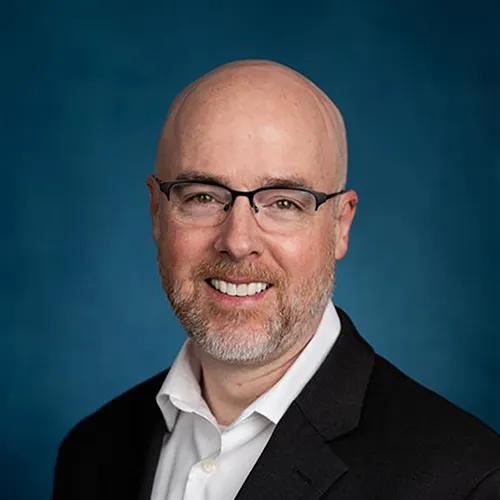
Bryan J. Schneider, MD, is a professor of hematology/oncology at the University of Michigan, Ann Arbor, and is the section head for the medical thoracic oncology team who treats lung cancer, esophageal cancer, mesothelioma, thymoma and carcinoid tumors. He serves on the executive committee of ASPirE, a consortium of physicians and researchers focused on advancing the prevention, diagnosis, and management of immune-related adverse events (irAEs) associated with immunotherapies.
Important: The opinions expressed in “Lived Experience: Stories from Patients and Care Teams” (Lived Experience Stories) are solely those of the User, who may or may not have medical or scientific training. These opinions do not represent the opinions of Foundation for Autoimmune & Cancer Support (FACS). Blogs are not reviewed by a physician or any member of the FACS editorial staff for accuracy, balance, objectivity, or any other reason except for compliance with our Terms and Conditions. Some of these opinions may contain information about treatments or uses of drug products that have not been approved by the U.S. Food and Drug Administration. FACS does not endorse any specific product, service, or treatment.
Do not consider Lived Experience Stories as medical advice. Never delay or disregard seeking professional medical advice from your doctor or other qualified healthcare provider because of something you have read on FACS. You should always speak with your doctor before you start, stop, or change any prescribed part of your care plan or treatment. FACS understands that reading individual, real-life experiences can be a helpful resource, but it is never a substitute for professional medical advice, diagnosis, or treatment from a qualified health care provider. If you think you may have a medical emergency, call your doctor or dial 911 immediately.
Check Out Our Latest Posts

How to Help
We want all cancer patients to know that new generation cancer treatment can have unpredictable and life-altering side effects – and that these side effects can be managed.
You can help us raise awareness and empower patients.