A New Approach to
Treating irAEs
Home » Healthcare Teams
When we unleash the immune system, we get a powerful, cancer-killing weapon – but we also get an immune system that is unchecked, dangerously unpredictable, and difficult to control. Oncologists were trained to treat cancer, not manage the immune system. That’s why a growing number of cancer centers are adding autoimmune specialists to their care teams: Autoimmune specialists can relieve oncologists from side effect management, freeing oncologists to focus on what they do best.
How Other Specialists Can Play a Role
insights From a medical oncologist
“As an oncologist that cares for patients with severe immune-related adverse events at Mass General Brigham in Boston, I care deeply about irAEs. Immunotherapy has truly transformed cancer care, but for some patients the immune system that is saving them can also become the very thing that threatens them.” — Kerry Reynolds, MD, Director of the Severe Immunotherapy Complications Service and the Clinical Director for the inpatient cancer services at Mass General Cancer Center
The Evolving Standard of Care
In medicine, as we learn, we evolve.
We’re learning, via a growing body of research and experiential evidence, that multidisciplinary cancer care improves outcomes; in response, we’re seeing a new standard of care emerge. Leading cancer centers such as Massachusetts General, Johns Hopkins Medicine, and Yale Medicine, among many others, have created multi-disciplinary cancer centers to address immune-related toxicities and irAEs. In this model, rheumatologists, gastroenterologists, endocrinologists, and other relevant specialists serve as active members of the care team to ensure that irAEs don’t stand in the way of treatment.
Ironically, this evolution is being slowed by the speed at which we’re learning new information. Annual publication output on cancer immunotherapy grew from 366 papers in 2000 to 3,194 in 2021 — nearly a ninefold increase in two decades. And regarding irAEs, specifically: A bibliometric analysis of 17 years of irAE research documented a 46.44% annual growth rate in irAE-specific literature. It’s difficult to provide patients with cutting-edge care when the edge is moving so quickly.
insights From a medical oncologist
“Immunotherapy has transformed cancer care and extended lives, but longer survival brings chronic toxicities that require coordinated, patient-centered care. Rapid recognition, clear cross-specialty communication, and evidence-driven symptom management are essential to protect quality of life.” — Eric Roeland, MD, FASCO, FAAHPM, Associate Professor at the Oregon Health and Science University and the Director of the Knight Cancer Institute’s Symposium Science Research Program.
What You Can Do
Physician Communities
Learning from other providers’ real-world experiences is always invaluable in medical education, but it’s especially so now, as we’re discovering new aspects of immunotherapy faster than formal guidelines can keep up.
- ASCO myConnection — A place of knowledge exchange, content curation, idea incubation, and professional networking.
- mednet — A physician-only Q&A platform for expert answers to real-world clinical questions.
- ASPirE — A global network of clinicians and researchers working to improve irAE recognition, response, and outcomes through ASCO’s myConnection platform.
irAE Programs
A growing number of cancer centers have created irAE clinics that utilize a proactive, multidisciplinary approach when treating patients with immune-based medications.
Yale Immunotherapy Adverse Events in Rheumatology Program — A clinic specifically for managing irAEs and autoimmune flares from cancer immunotherapy, directed by a rheumatologist (Dr. Sang Taek Kim) whose research focus is irAEs. Explicitly designed to keep immunotherapy on track while treating the adverse event, with close coordination with referring oncologists.
UChicago Medicine — IrAE Clinical Consortium — A dedicated outpatient clinic for irAEs, led by Dr. Pankti Reid, made up of physicians from nine specialties. Described by the institution as the only outpatient irAE clinical consortium in Illinois and one of very few in the country. Works in close coordination with the patient’s oncology team.
Severe Immunotherapy Complications (SIC) Service, Massachusetts General Hospital — One of the strongest, most established programs in the country. A dedicated, 24/7 multidisciplinary team of 50+ clinicians and researchers across 19 hospital divisions (oncology, cardiology, dermatology, endocrinology, gastroenterology, nephrology, neurology, pulmonology, rheumatology, and more), led by Dr. Kerry Reynolds.
Johns Hopkins Immune-Related Toxicity Team — A real, active multidisciplinary team (co-directed by rheumatologist Dr. Laura Cappelli and oncologist Dr. Aliyah Pabani) that has published extensively on irAE management and even runs its own clinical trials on irAE prevention.
The Ohio State University Comprehensive Cancer Center Immunotherapy Management Clinic — Among the first of its kind in the United States, this clinic is made up of a team of experts in rheumatology managing side effects of immunotherapy. It’s directed by Dr. Alexa Meara, a rheumatologist in the Division of Oncology.
Cleveland Clinic — Oncology Pharmacovigilance Clinic — Described by Cleveland Clinic itself as the first multidisciplinary clinic in the country created specifically to manage irAEs, it grew directly out of a monthly irAE tumor board established in 2017 (a board where, notably, almost a third of cases are rheumatologic). The clinic integrates rheumatology, endocrinology, pulmonology, and other specialties directly into irAE care. Led by Dr. Lucy Boyce Kennedy.
OHSU Immune Related Adverse Effects (irAE) Clinic — A dedicated clinic for diagnosing and managing the musculoskeletal and rheumatic side effects of immune checkpoint inhibitors. Established and led by rheumatologist Dr. Whitney Elg-Salsman, whose academic focus is specifically irAEs. The clinic also evaluates patients with preexisting autoimmune disease before they start immunotherapy.
V-POINT (Vanderbilt Program for Interdisciplinary Oncologic Toxicity), Vanderbilt-Ingram Cancer Center — A dedicated multidisciplinary research and clinical program specifically focused on understanding and treating immunotherapy toxicities, led by Dr. Douglas Johnson, a melanoma oncologist whose research concentrates on irAEs (including chronic skin-related irAEs).
MD Anderson — IOTOX (Immuno-Oncology Toxicity) Initiative — An institutional program for irAE management, led jointly across multiple divisions including gastroenterology and rheumatology. Includes its own published IOTOX handbook, a monthly education lecture series, dedicated clinical algorithms, and a formally chartered “IOTOX working group.” Demonstrated to have measurably improved patient outcomes (e.g., for immune-mediated colitis).
University of Colorado Cancer Center — CARE Clinic — An Advanced Practice Provider–led urgent/acute care clinic built specifically to manage complex symptoms (including irAEs) without requiring an ER visit, developed in part with Massachusetts General Hospital collaborators.
NYU Langone — Symptom Management Program (Perlmutter Cancer Center) — A program built specifically to solve the referral-bottleneck problem for irAEs and other treatment-related symptoms. Founded by Dr. Mario Lacouture (previously of Memorial Sloan Kettering), it connects oncologists to rapid referrals and real-time “e-consults” across 12 specialties, including rheumatology, cardiology, pulmonology, nephrology, gastroenterology, endocrinology, dermatology, and more — directly through the medical record system. Also home to Columbia University’s named Immune-Related Adverse Events (irAEs) Institutional Board, a cross-specialty group dedicated to irAE research and clinical care.
UW Medicine Rheumatology Immune Related Adverse Events Clinic — A dedicated clinic for rheumatologic irAEs, operating in close partnership with the Fred Hutchinson Cancer Center/Seattle Cancer Care Alliance (Washington’s NCI-designated Comprehensive Cancer Center). This is also the institutional home of one of the original published models for irAE multidisciplinary tumor boards in the national literature.
UCSF — IMPACT Program / CITE Clinic — The Immuno-oncology Program for Acute and Chronic Toxicities (IMPACT), also referred to as the Cancer Immunotherapy Toxicity Evaluation (CITE) Clinic, centralizes UCSF’s irAE expertise into one resource for patients with complex or treatment-refractory immunotherapy side effects. UCSF also publishes a clear, patient-facing directory of irAE sub-specialists organized by organ system (cardiology, dermatology, endocrinology, gastroenterology, nephrology) with direct contact information for each clinic.
Stanford — Cancer Supportive Rheumatology Program — A dedicated rheumatology-oncology clinic specifically for patients with cancer who develop irAEs or other rheumatic complications from treatment. Stanford rheumatologists work directly with oncologists, and the program participates in multidisciplinary immune-related toxicity tumor boards and multicenter irAE research registries.
Help Us Empower Care Teams
“FACS exists to connect two fields that have traditionally lived on opposite sides of medicine. At their core, oncology and rheumatology are not so different: both work to modulate the immune system so patients can live with chronic disease. In this case, that disease is cancer – and our first priority must always be keeping it controlled, while also preserving quality of life.”
– Alexa Meara, MD, FACS Founder
Lived Experience: Stories From Patients and Care Teams
Videos
Thriving Talks at Ohio State University
Dr. Alexa Meara and Dr. Kimryn Rathmell from the Ohio State University Comprehensive Cancer Center discuss cancer immunotherapy side effects and how tailored treatments help improve quality of life.
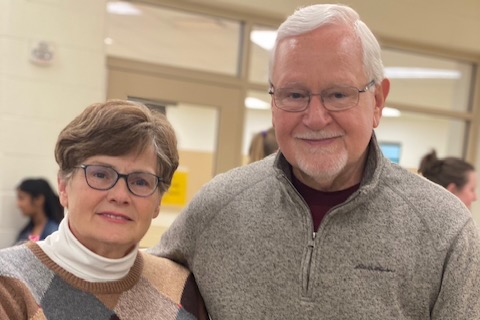
Cindy's Experience With Immunotherapy Side Effects
Cindy shares the difficulties she experienced with immunotherapy and her journey back to relative wellness.
Podcast Learner?
Listen for the latest evidence-based information about the diagnosis and management of immune-related toxicities straight from the experts in the field.
Sign Up for Our Newsletter

How to Help
Lorem ipsum dolor sit amet consectetur adipiscing elit sem bibendum iaculis odio, hendrerit lobortis penatibus phasellus non vivamus arcu gravida integer sodales.
We'd Like to Thank Our Generous Sponsors
Lorem ipsum dolor sit amet consectetur adipiscing elit sem bibendum iaculis odio, hendrerit lobortis penatibus phasellus non vivamus arcu gravida integer sodales, sociis laoreet feugiat class auctor.